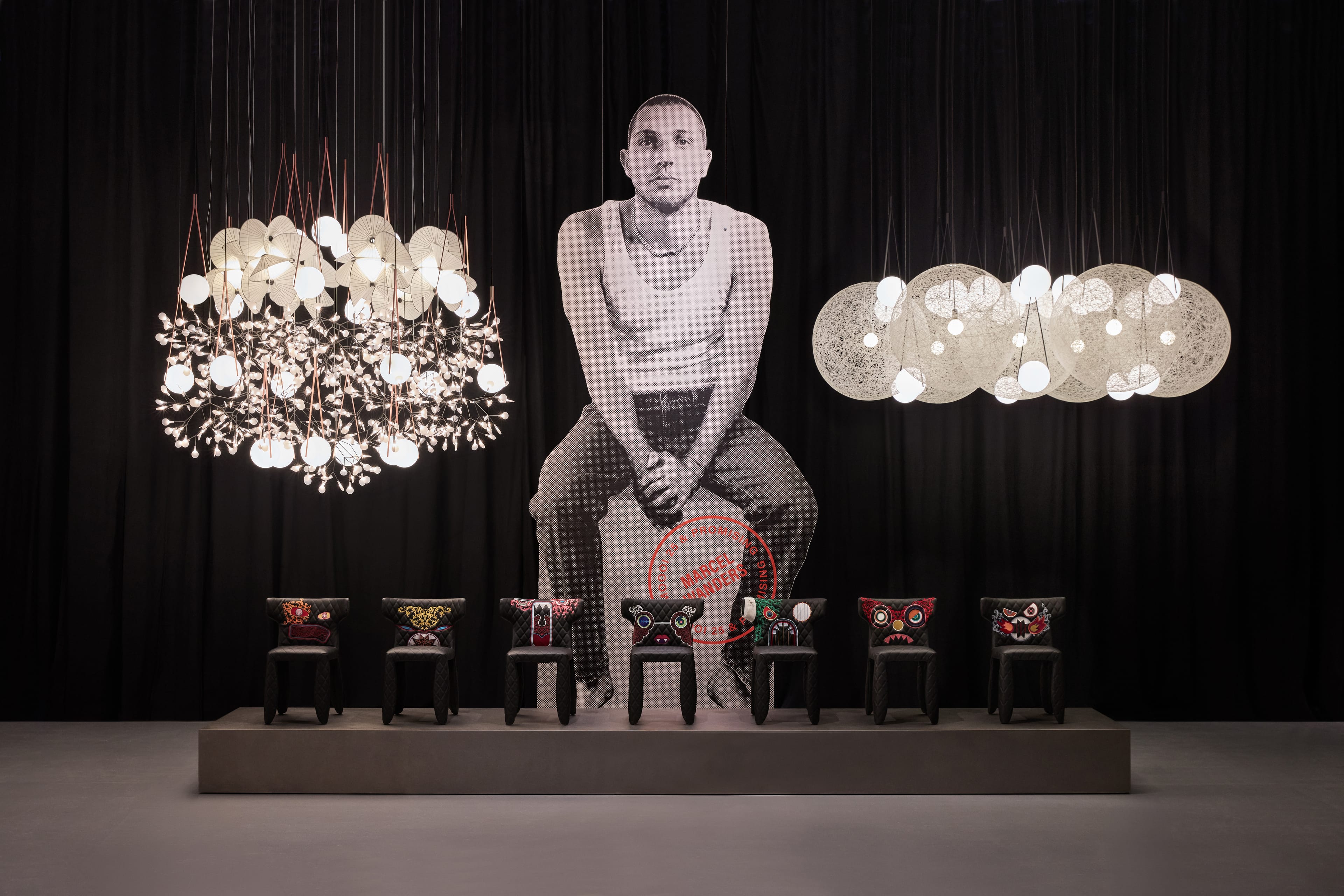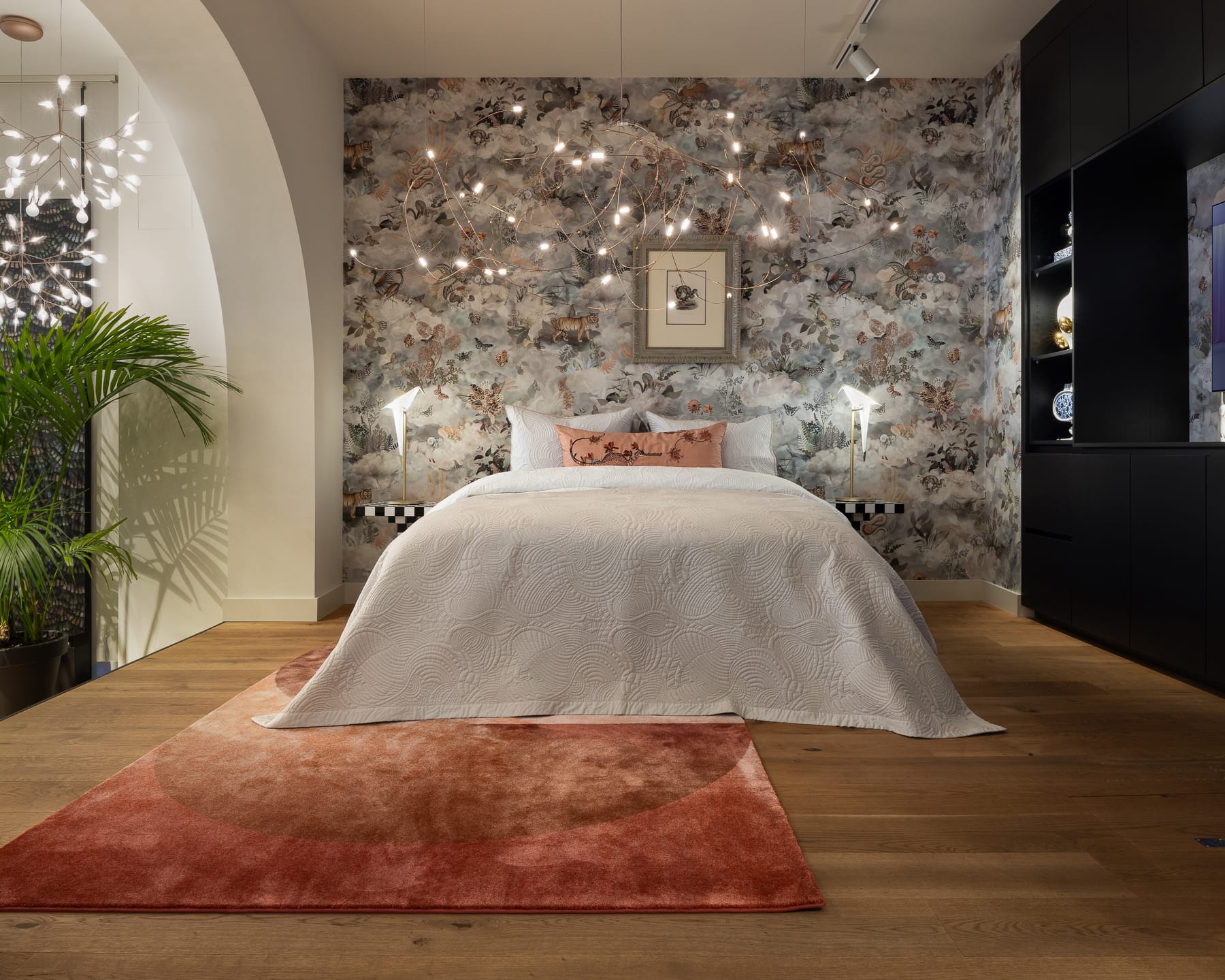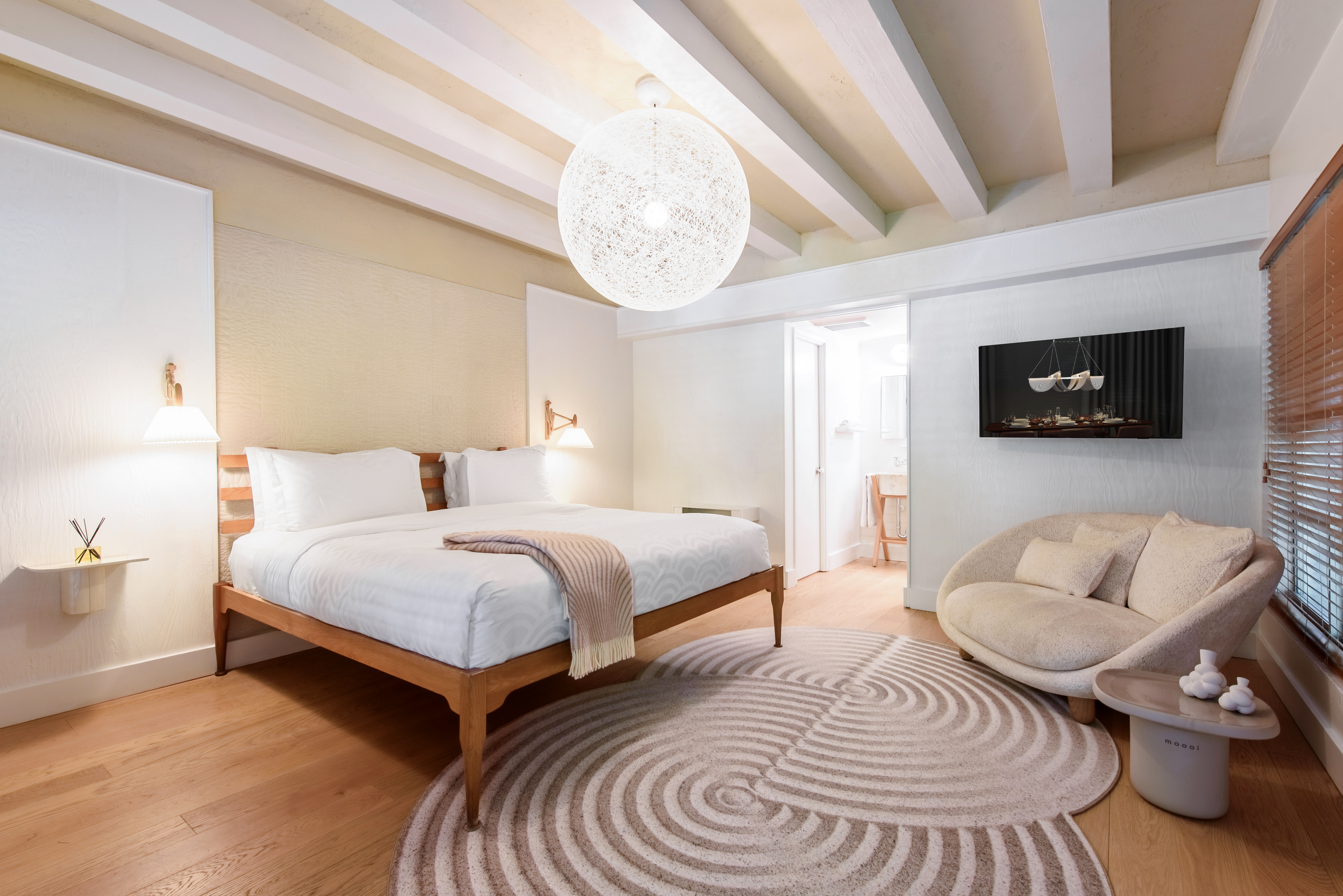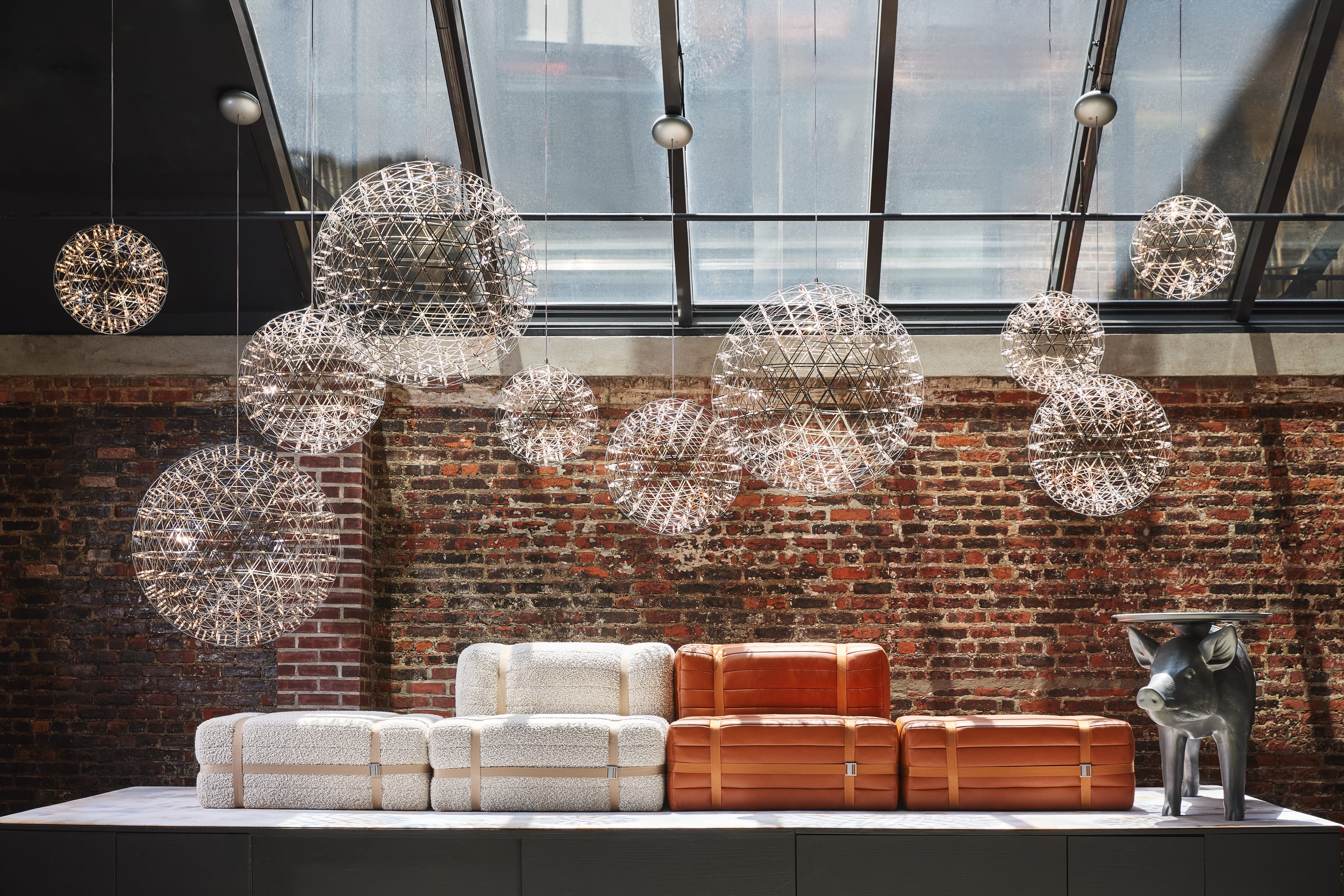
A room is never defined by furniture alone. Light shapes how a space feels, how people gather and how everyday moments unfold. From layering light to embracing dimming, small decisions can completely transform the way you experience your home.
Light is emotional before it's functional
When choosing lighting, it's easy to begin with practical questions: How bright should it be? How many pendants do I need? Where should they hang?
But the most memorable interiors don't begin with brightness. They begin with atmosphere.
Long before light helps us see, it helps us feel. It can make a room feel calm or energising, intimate or open, playful or reflective, social or serene. Without moving a single piece of furniture, lighting can completely change how a space is experienced.
.
.
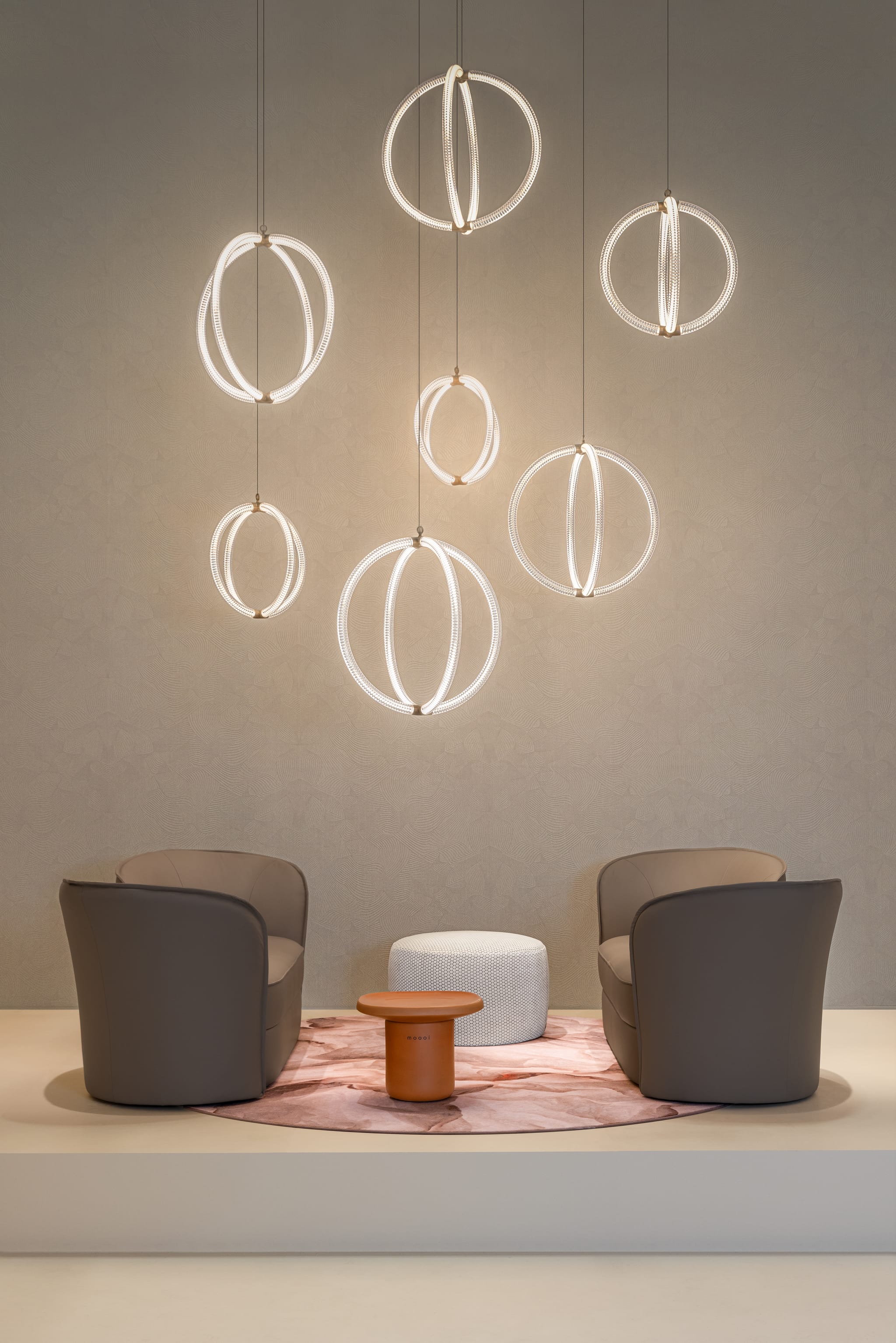
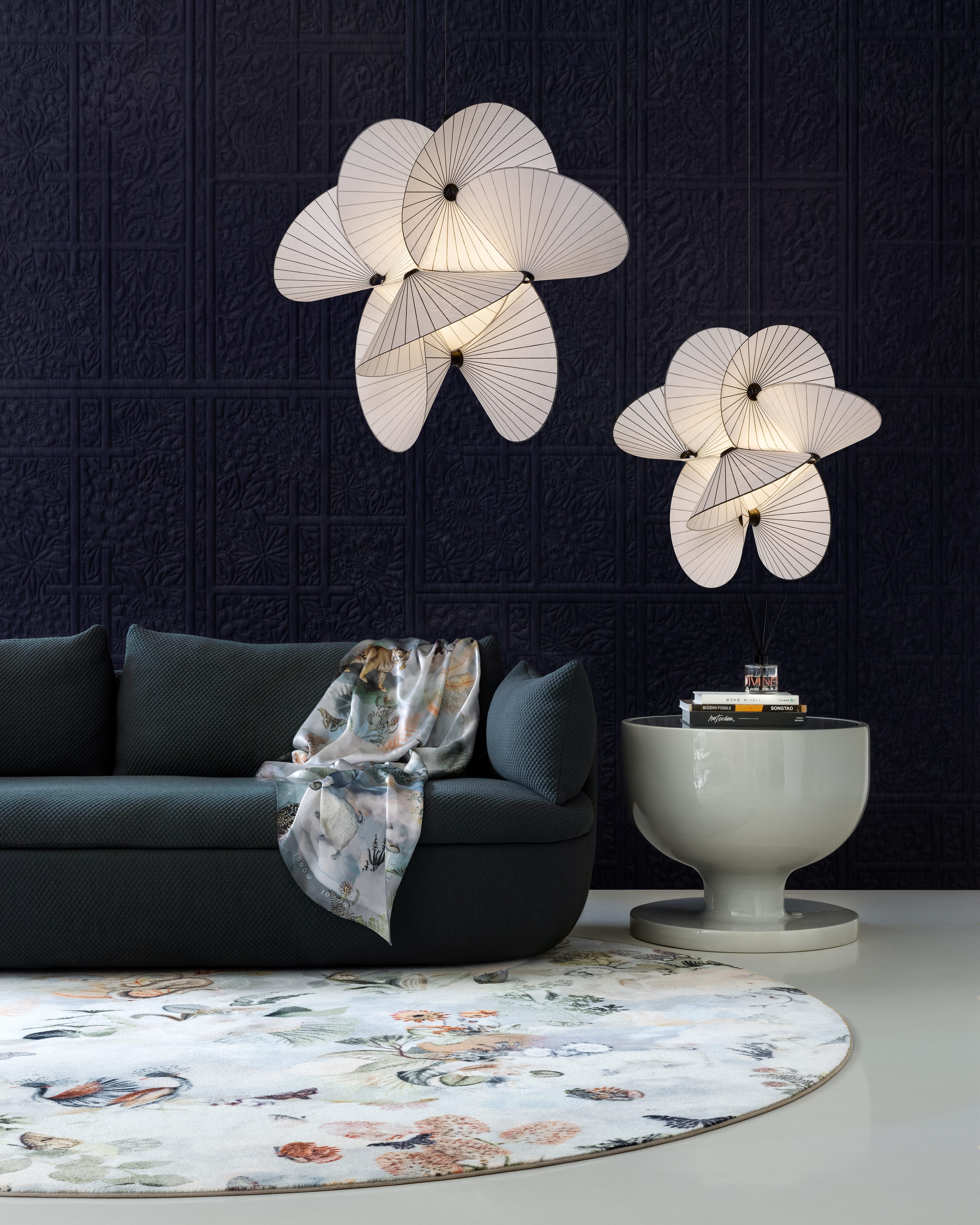
One of the simplest ways to improve a room is to stop relying on a single overhead light. Ceiling lighting creates visibility, but rarely creates atmosphere on its own. Introducing another source of light—whether suspended above a dining table, beside a favourite chair or above a kitchen island or workspace—immediately adds depth and purpose. Designs like Pallana Light offer focused illumination exactly where it's needed, with rotating discs that can be adjusted to direct light with precision. And when the day begins to slow, its dim-to-warm technology allows the atmosphere to soften along with it.
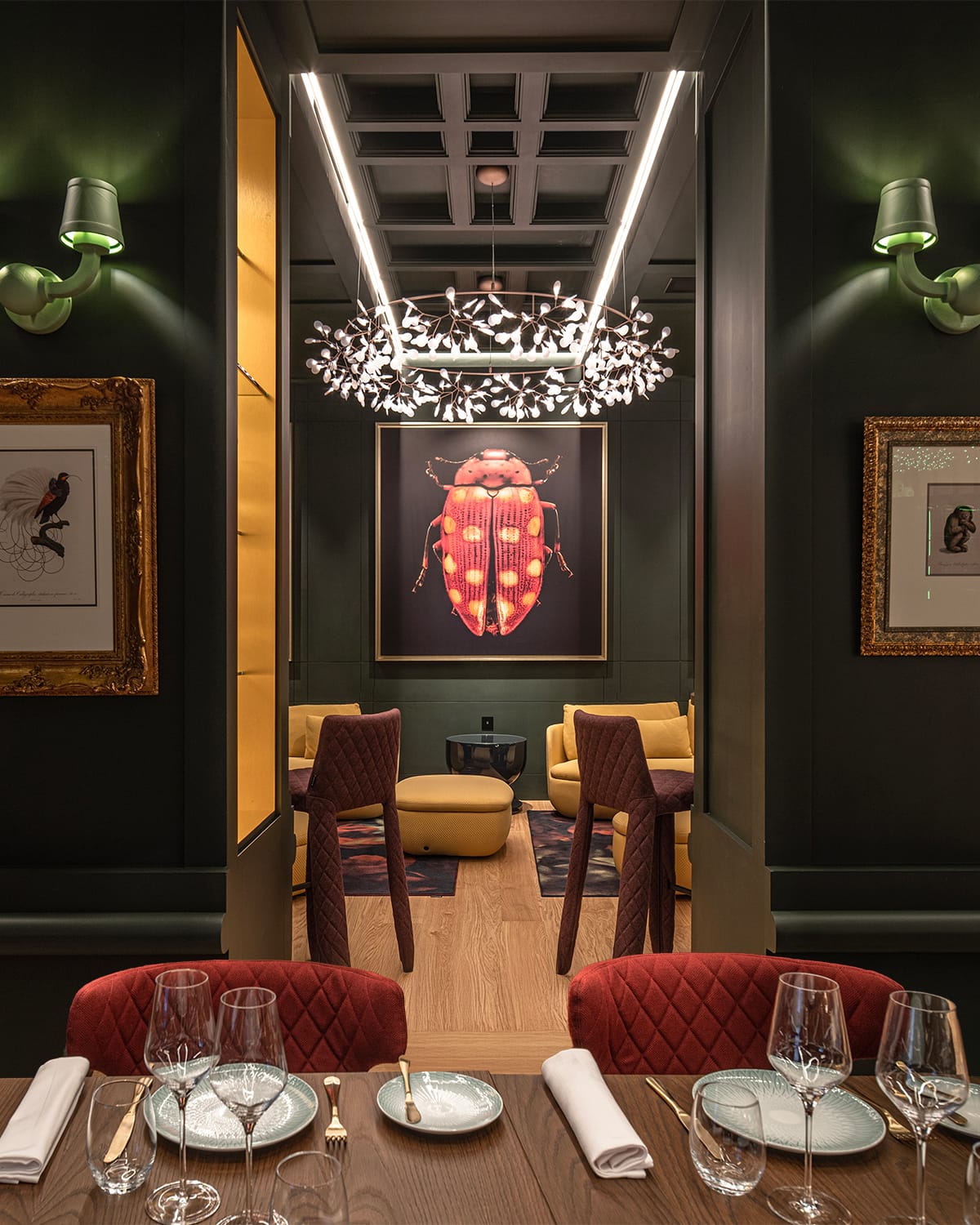
Designs like Heracleum III Suspended don't simply illuminate a room. Their branching silhouette creates layers of light and shadow, allowing the atmosphere to feel softer, richer and more alive long after the sun has set.
Rather than asking ‘How much light does this room need?’, try asking ‘How do I want this room to feel?’.
Takeaway: Start with emotion, then choose the light that helps create it.
One room, endless atmospheres
The same room rarely serves just one purpose.
Morning coffee asks for clarity. Working from home demands focus. Dinner slows the pace. Friends staying longer than expected deserve something softer.
This is where dimming becomes one of the most powerful tools in a home.
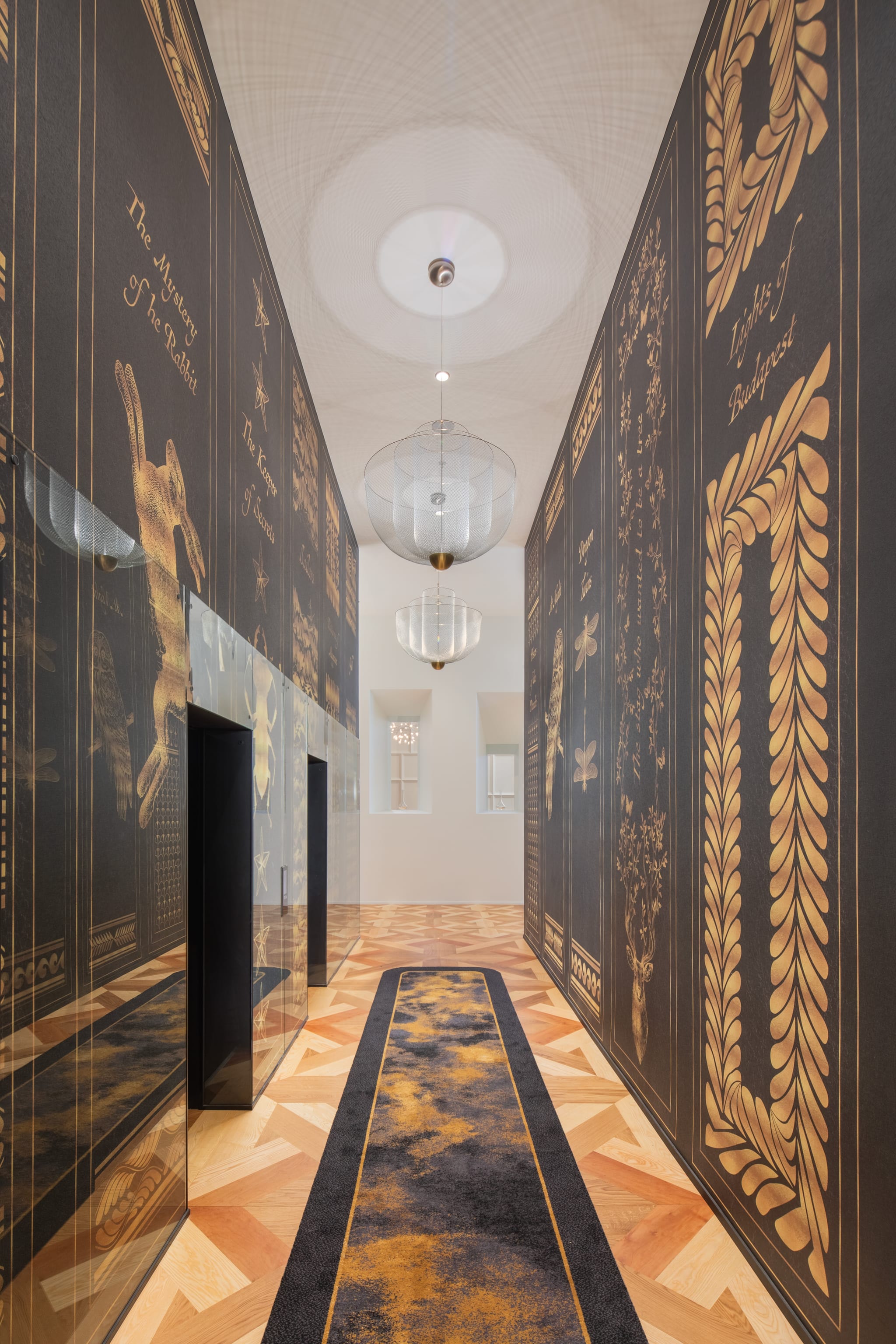
Changing the intensity of light doesn't simply make a room brighter or darker. It changes its character. A brighter setting supports activity, while softer light naturally encourages conversation, relaxation and a slower rhythm.
.
.
Designs such as Meshmatics reveal this beautifully. As the light level changes, so too does its personality, shifting from a sculptural statement by day to an atmospheric constellation at night. Tube Light embraces this same idea in a different way. Its dim-to-warm technology creates a gentle transition from clear functional light to a warmer, more ambient glow, making it equally at home above a dining table as it is setting the mood later in the evening.
For compatible designs, the Wireless Wall Switch makes it easy to move between moments, adjusting the light to suit everything from focused mornings to slow evenings with friends.
The best interiors are designed to evolve throughout the day, adapting naturally to the moments they host.
Instead of treating dimming as a technical feature, think of it as giving your room permission to change with you.
Takeaway: The best lighting doesn't stay the same. It moves with life.
Think in layers, not fixtures
Beautiful lighting is rarely created by one spectacular piece.
Interior designers often think in layers. Ambient lighting provides the overall glow. Task lighting supports everyday activities such as reading or cooking. Accent lighting draws attention to architecture, artwork or the objects you love most.
Together, these layers create depth, contrast and rhythm.
.
.
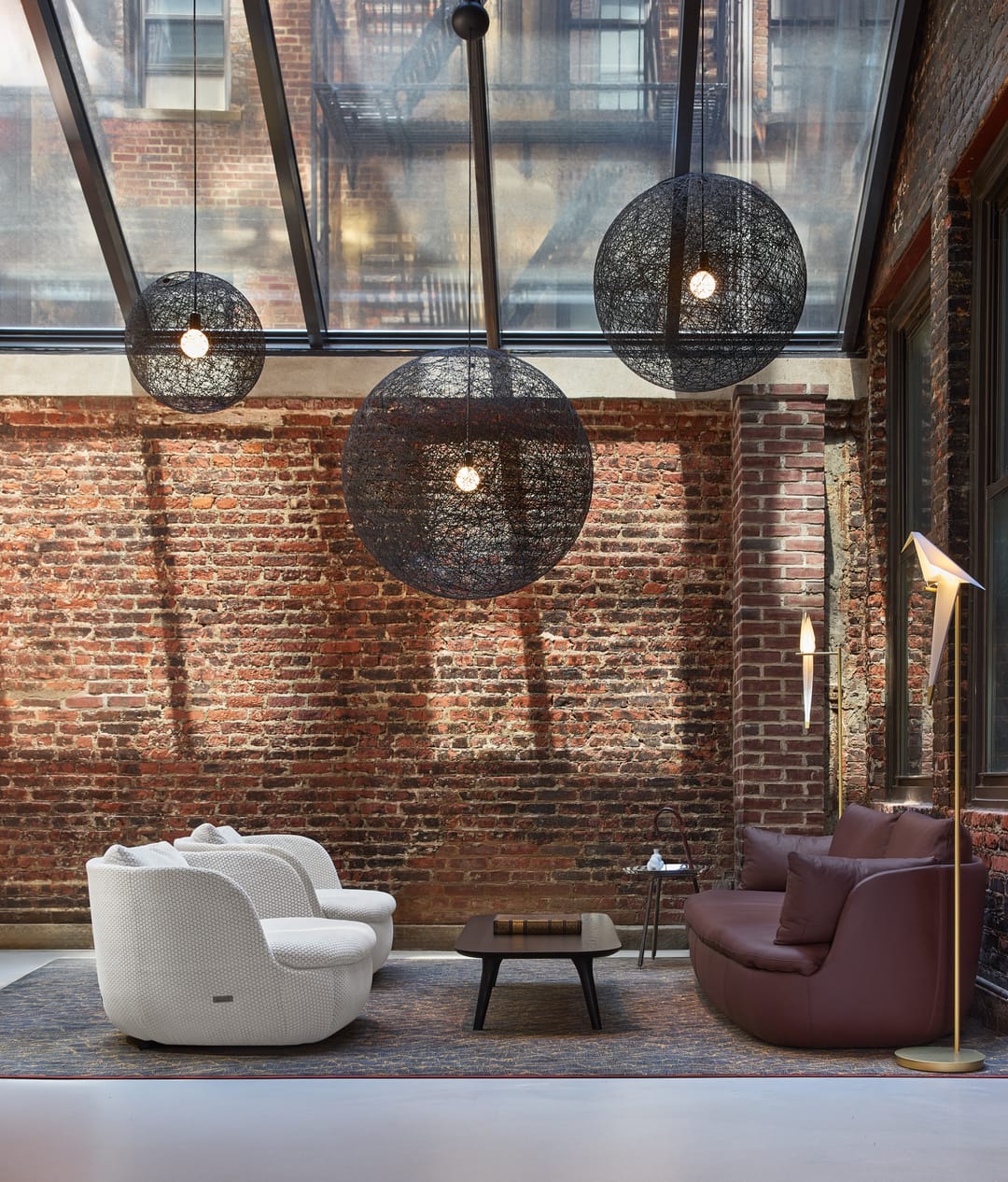
Think of lighting like music. Every instrument plays a different role, but together, they create harmony. A suspension light may become the focal point, while a floor lamp softens a quiet corner and a table lamp gently balances the room.
This is where combining different types of lighting becomes so powerful. A design piece like Random Light II naturally anchors a space overhead, while Perch Light Floor introduces warmth at eye level, creating balance without overwhelming the room.
Layering light also gives you flexibility. Instead of switching one bright light on or off, you can compose the atmosphere throughout the day by combining different sources.
The result feels considered and natural, rather than uniform and staged.
Takeaway: One beautiful light creates a focal point. Layers of light create atmosphere.
The rooms we remember aren't the brightest
We rarely remember how much light filled a room. We mainly remember the feeling of being there.
A dinner that continued late into the evening. A quiet Sunday morning. Reading while rain tapped against the window. A celebration that nobody wanted to leave.
Lighting quietly frames these moments without demanding attention for itself.
.
.
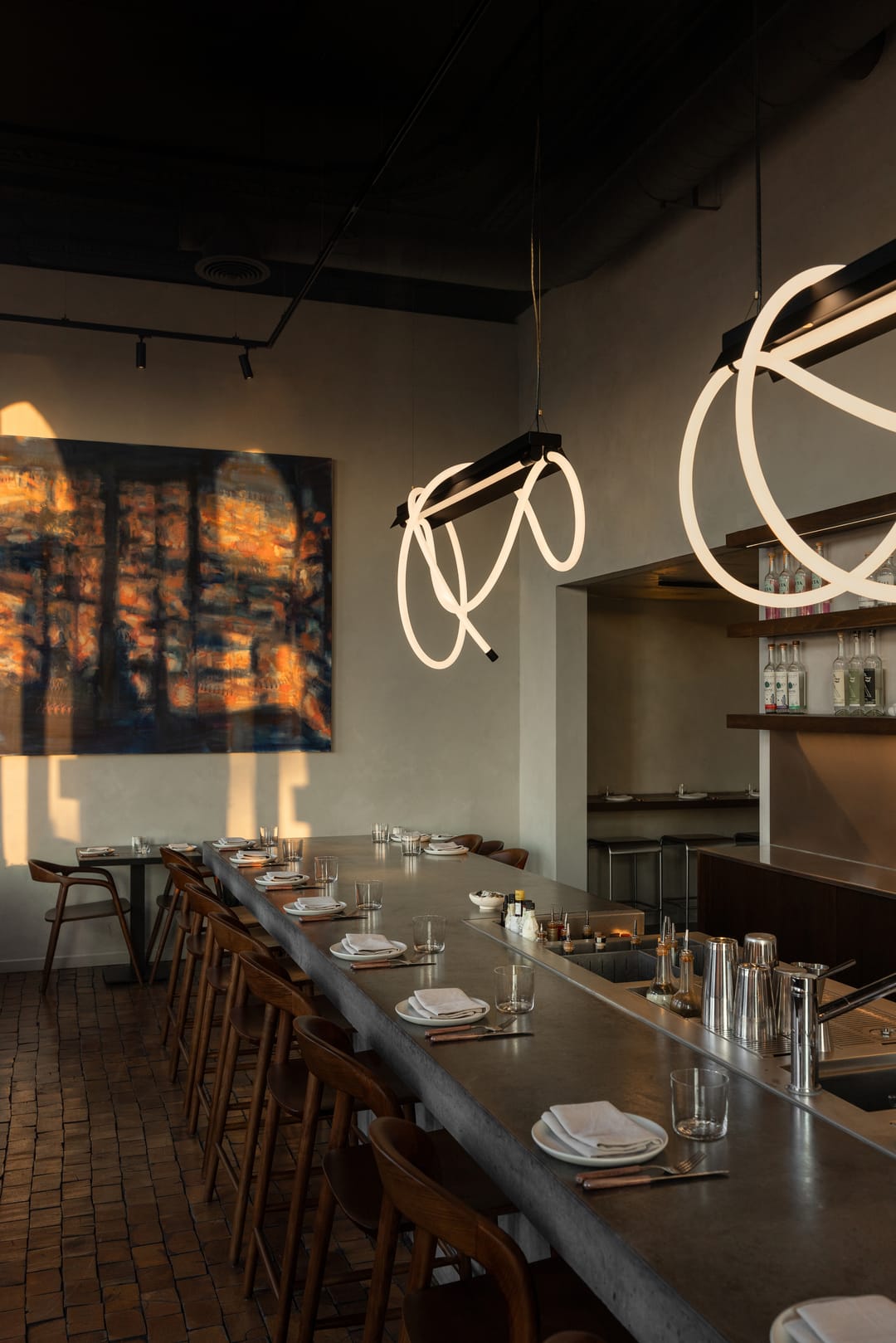
One of the most common mistakes in residential lighting is trying to eliminate every shadow. But shadows create texture, reveal materials and give a room a sense of intimacy. Without them, a space can feel flat and overlit.
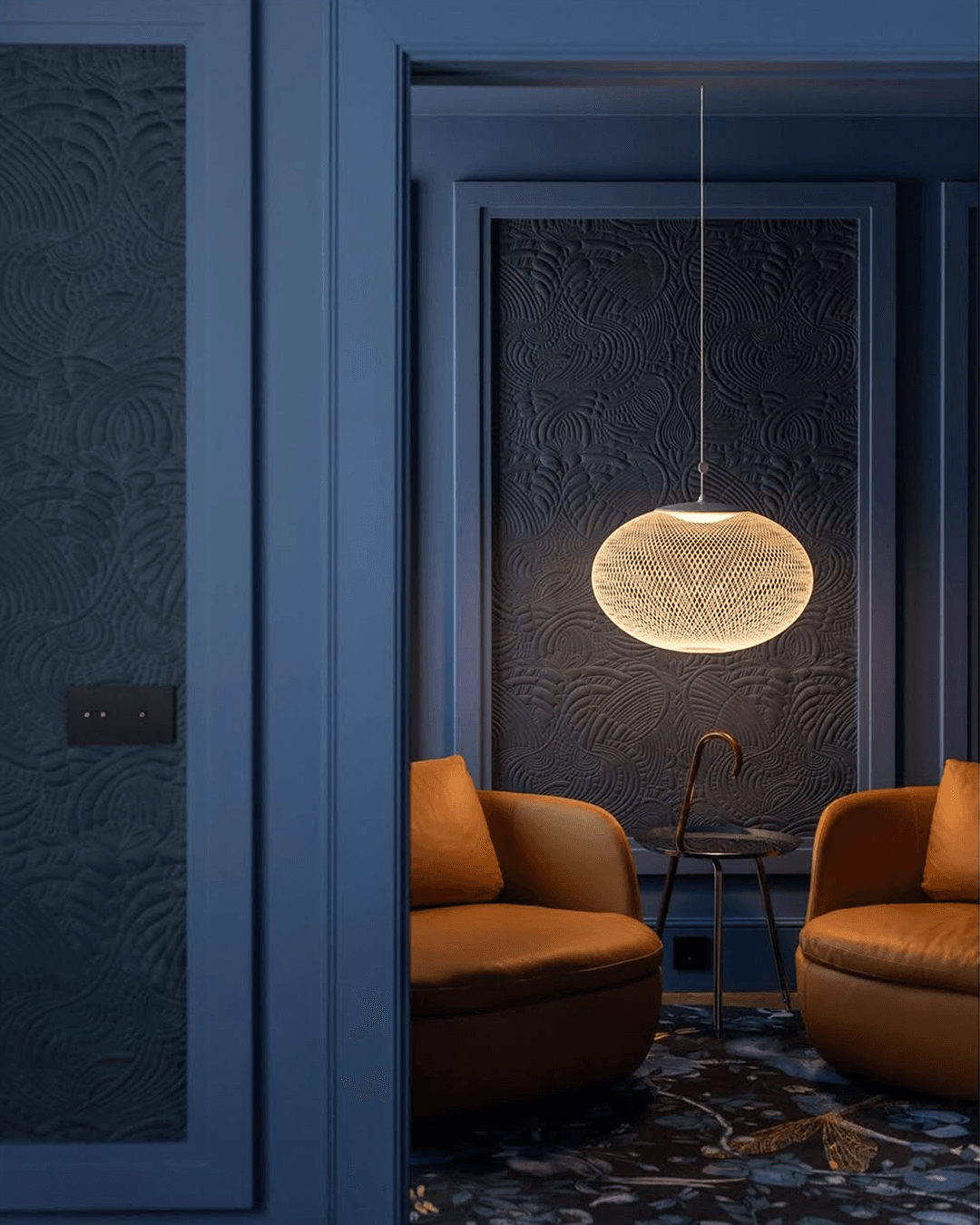
Designs that diffuse or scatter light naturally, such as Serpentine Light or NR2 Light, celebrate this balance. They don’t flood every corner with light. Instead, they create soft contrasts that give a room depth and character.
The goal is to create balance between light and darkness, allowing both to play their part.
Takeaway: Don't aim for the brightest room. Aim for the one you never want to leave.
Light has a remarkable ability to transform a room without changing anything else.
As the day unfolds, it shapes the atmosphere around conversation, celebration, solitude and everything in between. The room remains the same, yet somehow it always feels different.
When light is treated as part of the design rather than an afterthought, everyday moments begin to feel extraordinary.